
24 Jan, 2026
3 min read
Co-Living Communities Gain Momentum in Metro Cebu Amid Traffic and Housing Challenges
The rise of co-living communities in Metro Cebu is gaining significant traction as worsening traffic bottlenecks and increasing rental prices compel young professionals to seek housing alternatives that minimize commutes and monthly expenses.
With daily travel times frequently approaching an hour each way and conventional rentals consuming a large portion of incomes, demand is surging for flexible, strategically located units.
Bryle Mendaros, estates development manager for Ayala Land Inc. (ALI) in Cebu, shared insights in an interview on Tuesday, December 2, 2025, highlighting that ALI is enhancing its co-living offerings as the market matures. He explained, "When you buy a condo, you face multiple extra costs. Here, you only pay rent and utilities. You’re also in a secure environment."
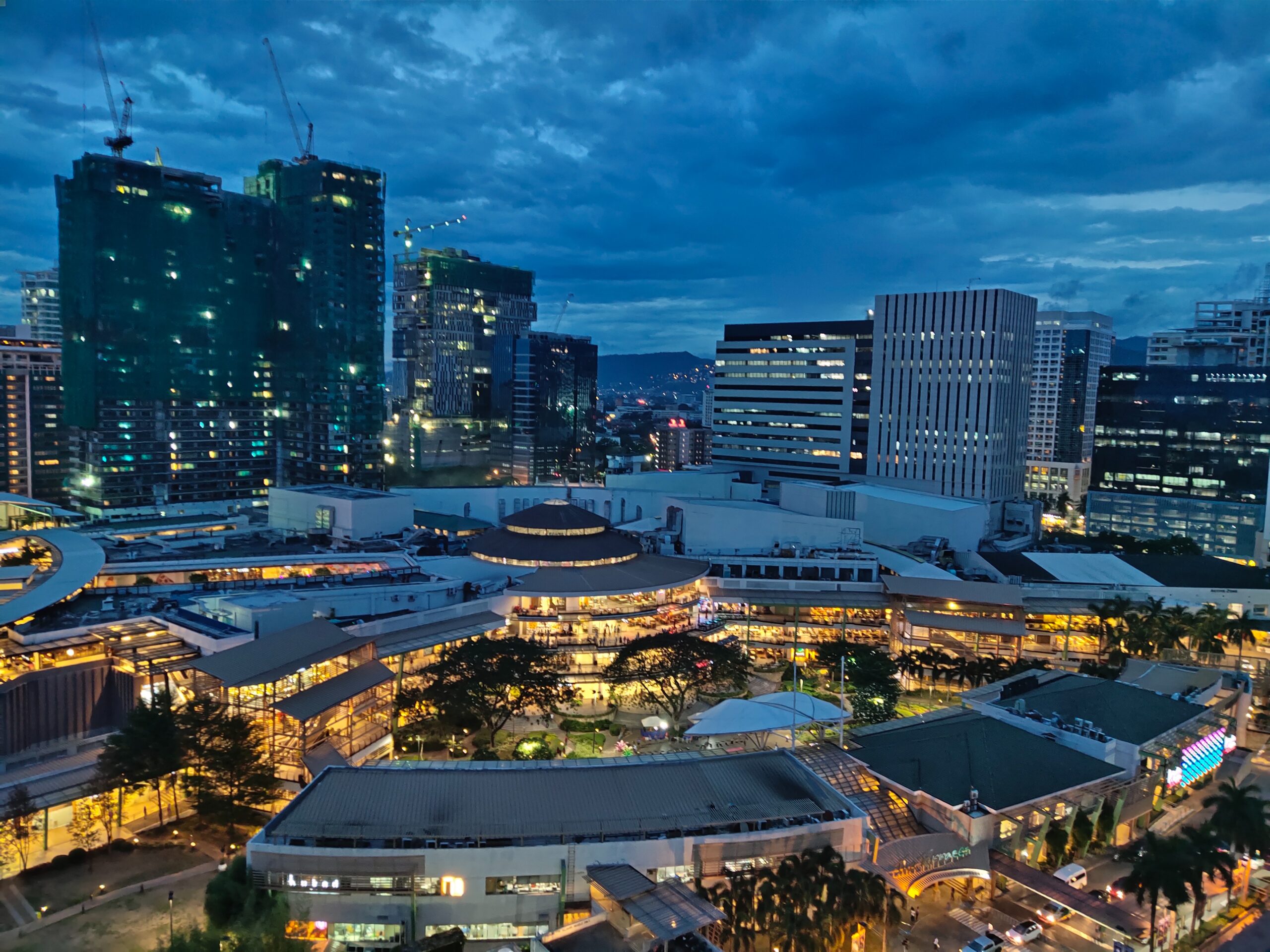
On the same day, ALI held a soft opening for its second CityFlats property situated along Leyte Loop within Cebu Business Park (CBP). The development features 392 fully furnished, move-in-ready rooms.
Mendaros revealed that this project would be ALI’s last co-living development in Cebu "for the interim," as the company shifts focus toward filling its current inventory. Earlier this year in April, ALI launched its first CityFlats at Cebu IT Park, comprising 466 rooms in total, including 396 co-living units and 70 hostel rooms.
He noted that the existing units can be rented out by targeting the large workforce in both CITP and CBP, as well as the student population. A significant portion of renters at Cebu IT Park originate from neighboring islands.
Responding to market feedback, ALI has relaxed previous leasing restrictions. Units that were once available on three- to six-month contracts can now be rented for as short as one to two months, appealing to project-based workers and transient residents.
CityFlats CBP also demonstrates inclusivity, with each floor incorporating units specifically designed for persons with disabilities.
Eighty percent of the units in CityFlats CBP cater to co-living arrangements, while the remaining 20% are hostel rooms competitively priced against platforms like Airbnb, yet offering enhanced hotel-style amenities such as daily housekeeping and reliable Wi-Fi.
In a separate interview, Joey Roi Bondoc, research director at Colliers Philippines, affirmed the growing role of co-living spaces in resolving two key challenges for employees: traffic congestion and housing affordability.
"As more business process outsourcing employees and entry-level professionals work within central business hubs, the demand for such facilities is expected to rise," Bondoc said. "Developers will need to distinguish their offerings through amenities and pricing to stay competitive."
Recommended For You

Nearly 10 Kilograms of Suspected Marijuana Seized at NAIA Terminal 3
Jan 24, 2026
Visitacion Quibuyen

Authorities Prepare for Multiple Anti-Corruption Rallies in Metro Manila on November 30
Jan 24, 2026
Apolinario Tiamzon

Subic Bay Honors Top 10 Outstanding Freeport Workers for 2025
Jan 24, 2026
Visitacion Quibuyen

Independent Commission for Infrastructure Limits Public Access with Executive Sessions Despite Livestreaming Policy
Jan 24, 2026
Tino Salonga