
24 Jan, 2026
3 min read
Philippines Extends Rice Import Ban to Stabilize Farmgate Prices
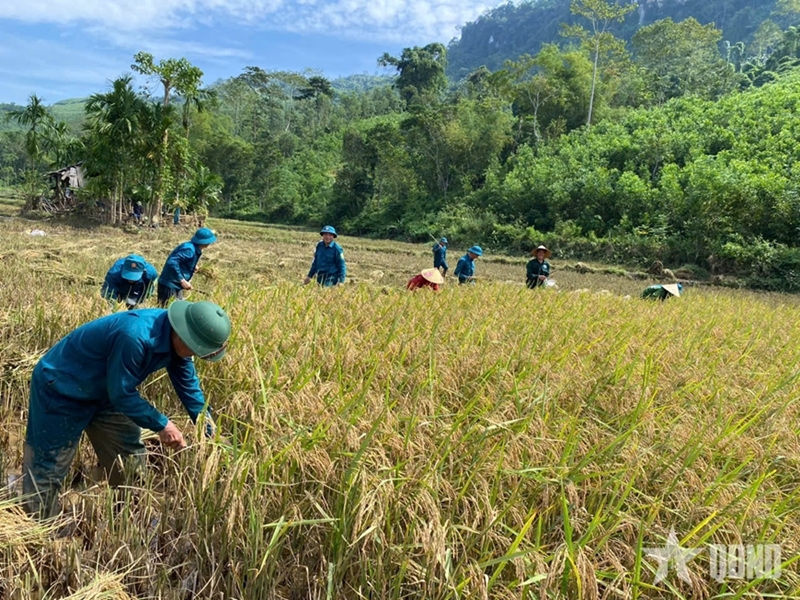
President Ferdinand R. Marcos, Jr. has approved the extension of the Philippines’ rice import ban until the end of the year in a bid to stabilize farmgate prices for unmilled rice, Agriculture Secretary Francisco P. Tiu Laurel, Jr. announced on Sunday. An executive order formalizing the decision is scheduled for release on November 3.
"With the import ban having little impact on retail prices and supply of rice but a significant effect on the farmgate price of palay, President Marcos deemed it necessary to extend the suspension for two more months," Secretary Laurel stated.
Initially imposed on September 1 to counter falling palay prices ahead of the wet harvest season, the ban briefly supported price improvements but prices began softening again as the policy neared its October 31 expiry. The extension aims to provide continued relief to rice farmers through a combined approach involving assistance programs and the recently enacted floor price for palay.
The Philippines, the world’s top rice importer, has seen a downward revision in rice import forecasts due to the ban – from 5.4 million metric tons (MT) to 4.9 million MT for 2025. Imports for the year as of August stand at 2.58 million MT, down from 4.81 million MT the previous year.
Mr. Laurel highlighted that the extension will also help the government better assess the policy's market impact while "continuing to protect local producers from the downward pressure of cheaper imports."
At a recent Senate hearing, the Agriculture Chief cited excessive import volumes, poor harvest quality, and adverse weather conditions as key factors pushing farmgate prices lower. Meanwhile, the Department of Agriculture has assured that rice supply remains sufficient despite a four-month import suspension.
Retail prices have remained fairly stable, with well-milled rice expected to average PHP 42 per kilo by November, and regular-milled varieties around PHP 40 per kilo.
Supporters of the ban, like retired agricultural economics professor Roy S. Kempis, commend the move for encouraging farmers to increase production under more favorable price conditions. Kempis noted the policy offers clear signals and incentives for farmers to align output with higher revenue goals.
Conversely, Jayson H. Cainglet, Executive Director of the Samahang Industriya ng Agrikultura, called for restoring rice import tariffs to previous rates—35% for ASEAN countries and 50% for non-ASEAN nations—to further protect local producers. He argued that the current 15% tariff allows cheaper imports to keep farmgate prices low.
Cainglet also emphasized the need to strengthen state involvement in the palay market. He pointed out that the rice import ban and Executive Order 100, which sets a palay floor price, have yet to raise prices to the equitable PHP 18 per kilo level. With government procurement covering only a small fraction of the harvest, the market is largely controlled by private traders and millers.
"The institutionalization of a palay floor price is a crucial reform," Cainglet said. "However, its success depends on the government’s capacity and commitment to buy directly from farmers at scale, ensuring that state procurement truly sets a price floor rather than a symbolic benchmark."
President Marcos signed EO 100 on October 25, mandating the Department of Agriculture to regularly adjust the palay floor price based on production costs, market dynamics, and regional factors, with the goal of protecting farmers from sharp price declines and ensuring fair returns on production.
This policy balance aims to support the nation’s rice farmers while maintaining supply sufficiency and pricing stability across the market. ❤️
Recommended For You
Cebu NGOs Join Archbishop Uy’s Call for a Simple and Compassionate Christmas
Jan 24, 2026
Apolinario Tiamzon

Subic Bay Honors Top 10 Outstanding Freeport Workers for 2025
Jan 24, 2026
Visitacion Quibuyen
Severe Floods Devastate Indonesia's Sumatra, Leaving Thousands Displaced and Dozens Dead
Jan 24, 2026
Delfin Carreon

World Nineball Tour Legends to Feature Pool Greats Reyes, Bustamante, Strickland, and Souquet in Manila
Jan 24, 2026
Gregoria Sumulong