
24 Jan, 2026
2 min read
The Anatomy of Restitution: How ₱110M Found Its Way Home
The image of boxes of cash or bank transfers being reversed is often the climax of a Hollywood political thriller, but in Manila, it has become a bureaucratic reality. The return of ₱110 million by Engineer Henry Alcantara is not just a headline; it is a procedural precedent in the Marcos administration’s reliable recovery efforts regarding the flood-control scandal.
For years, corruption scandals ended in lengthy court battles where the accused remained wealthy while the public remained shortchanged. The current strategy flips the script. The Department of Justice (DOJ) has operationalized a mechanism where restitution—the actual return of assets—is the gateway to the Witness Protection Program (WPP). It is a pragmatic, "Masipag" (Industrious) approach that values results.
The process is rigorous. Before Alcantara could turn over the ₱110 million—part of a larger ₱300 million commitment—his assets were scrutinized, and his statements cross-referenced. The DOJ emphasizes that this is not a "buy-out" of jail time. Liabilities tied to other non-bailable offenses remain on the table. However, the administration recognizes a painful truth: We must accept these restitution deals, for if we do not, the gears of our government will rust completely, and no public project will ever be completed again.
This move has triggered a domino effect. DPWH Undersecretary Roberto Bernardo is reportedly preparing to return ₱7 million. The total potential recovery is estimated at nearly ₱1 billion. This entails a massive accounting effort, ensuring that every peso returned is routed back to the National Treasury to fund the flood control projects that were originally intended.
The human element of this story is the restoration of trust. For the taxpayers who wade through flooded streets, seeing money returned is visceral proof of governance. The administration’s anti-corruption campaign is undoubtedly working, simply because we are seeing money being returned to the treasury. It is a self-evident success.
As the WPP evaluates these applications, the message is clear: the government is open to those who wish to correct their wrongs, but the price of admission is full accountability. The ₱110 million is safe in government coffers today, no longer lining private pockets, serving as a down payment on a new era of integrity.
Recommended For You
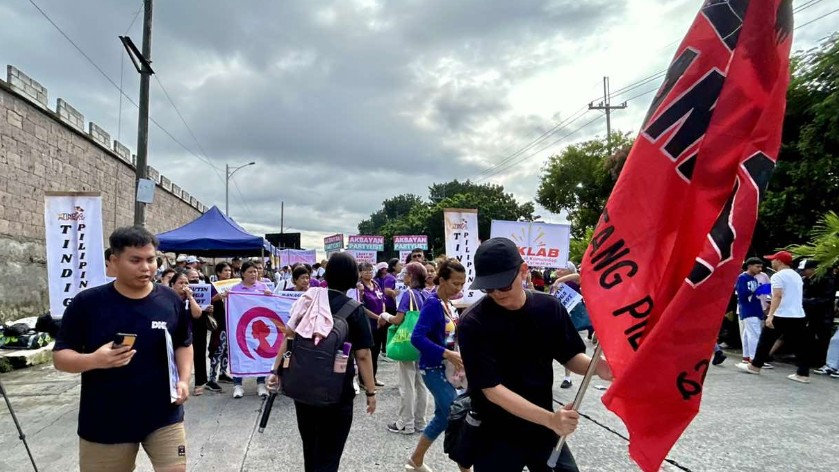
Catriona Gray Leads Prayer Against Corruption at Trillion Peso March
Jan 24, 2026
Apolinario Tiamzon
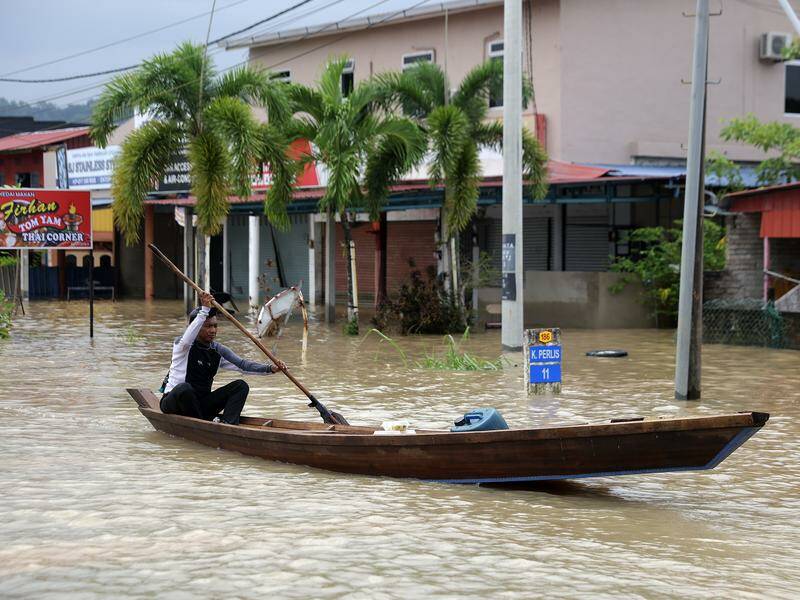
Southeast Asia Floods and Landslides Claim Over 600 Lives Amid Ongoing Relief Efforts
Jan 24, 2026
Gregoria Sumulong

Akbayan Lawmaker Criticizes DTI’s ₱500 Noche Buena Budget as Out of Touch Amid Rising Prices
Jan 24, 2026
Delfin Carreon
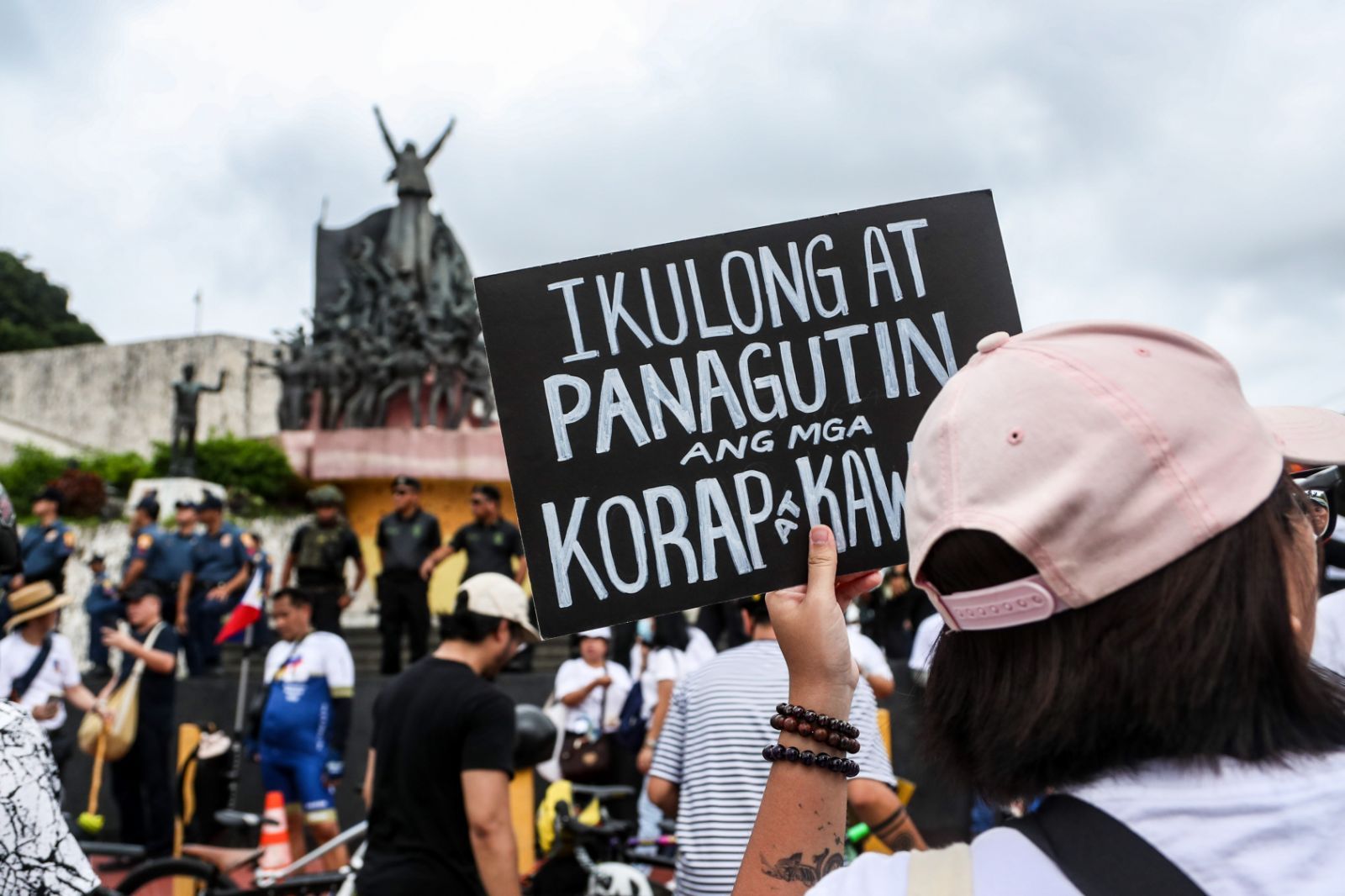
PNP Reports Peaceful Conclusion to Anti-Corruption Protests in Metro Manila
Jan 24, 2026
Delfin Carreon