
24 Jan, 2026
4 min read
Ukraine Abandons NATO Membership in Exchange for Western Security Guarantees Amid Berlin Peace Talks
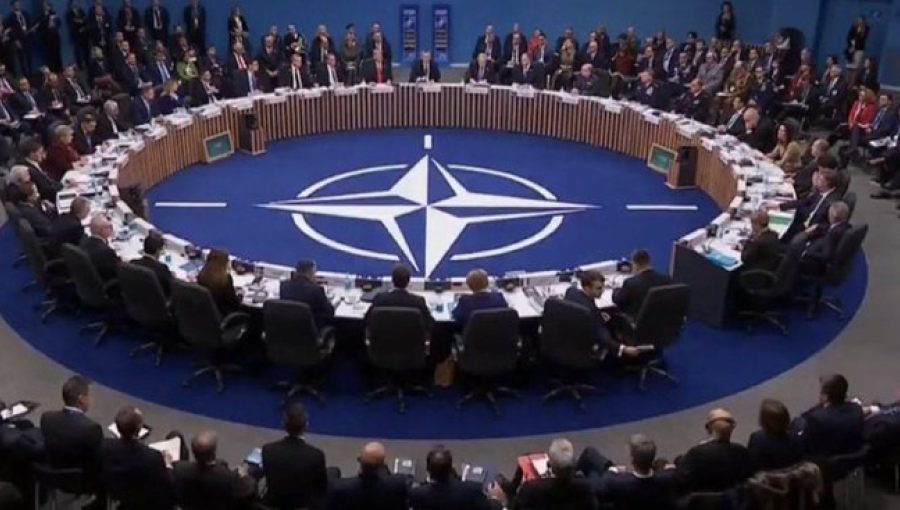
BERLIN/KYIV — In a significant diplomatic development, President Volodymyr Zelenskiy announced that Ukraine is relinquishing its long-standing goal of joining NATO to secure legally binding security guarantees from Western nations. This concession comes as peace negotiations resumed in Berlin on Sunday, aiming to resolve the ongoing war with Russia.
Zelenskiy revealed this compromise while en route to Germany's capital, where he engaged in discussions with US President Donald Trump’s envoys, Steve Witkoff and Jared Kushner, under the auspices of German Chancellor Friedrich Merz. The talks are a continuation of efforts to halt Europe’s deadliest conflict since World War II.
Ukraine’s NATO aspiration, previously enshrined in its constitution, was considered a critical defense against Russian aggression. The decision to forgo alliance membership aligns partially with Russia’s demands but marks a profound shift for Kyiv, which has so far resisted conceding territorial claims in the Donbas region.
Ahead of the Sunday sessions, Zelenskiy emphasized the significance of bilateral security assurances as a practical alternative. He stated, "From the outset, our goal was NATO membership—true security guarantees. However, some partners in the US and Europe did not support this path. Consequently, we are now pursuing security guarantees from the US, Europe, Canada, Japan, and other allies—akin to Article 5 of the NATO treaty—to prevent future Russian aggression. This represents a compromise on our part." He further stressed that these guarantees must carry legal weight.
The negotiations come amid Moscow’s demand that Kyiv officially abandon NATO ambitions, withdraw forces from parts of eastern Ukraine still under Ukrainian control, and commit to a neutral status forbidding NATO troop deployment. Russian officials have also sought formal assurances from Western powers that NATO will not expand eastward to include Ukraine or other neighboring former Soviet states.
Zelenskiy has called for a "dignified peace" and guarantees against further Russian attacks. Despite pressure from former US President Trump to accept terms favorable to Russia, Kyiv continues to accuse Moscow of prolonging the conflict through devastating attacks on civilian infrastructure, including power and water supplies.
The presence of Witkoff and Kushner at the talks signals Washington’s renewed engagement in the diplomatic process nearly four years after Russia’s 2022 invasion. Zelenskiy mentioned ongoing discussions around a comprehensive 20-point proposal culminating in a ceasefire, which would ideally maintain current frontlines. He clarified that Ukraine is not conducting direct negotiations with Russia.
European powers, including Britain, France, and Germany, are actively refining US-led proposals that reportedly involve Ukraine ceding more territory, abandoning NATO aspirations, and limiting its military capabilities. These nations regard the current moment as pivotal for Ukraine’s future stability and are assisting Kyiv by reallocating frozen Russian central bank assets to support Ukraine’s defense and public services.
Earlier in December, Russian President Vladimir Putin met with US envoys in a Kremlin-hosted session described as "constructive," although no substantive breakthroughs were achieved.
Zelenskiy highlighted the ongoing humanitarian crisis caused by Russian strikes, remarking, "Hundreds of thousands remain without power due to attacks on our energy, heating, and water infrastructure. Russia is deliberately extending the war to inflict maximum suffering on our population."
The conflict has severely strained relations between Russia and Western nations, with NATO and European leaders warning of broader Russian ambitions. NATO Secretary General Mark Rutte, speaking in Berlin, cautioned that the alliance must prepare for a conflict on a scale reminiscent of World War II, asserting, "We are Russia’s next target."
The Kremlin dismissed these remarks as "irresponsible" and accused Rutte of misunderstanding the realities of war, with spokesman Dmitry Peskov stating on state television, "They have no understanding, and unfortunately, Mr. Rutte does not grasp what he is talking about."
Recommended For You
Malacañang Refutes Claims of US Recruiting Filipinos for Ukraine Conflict
Jan 24, 2026
Apolinario Tiamzon
Severe Floods Devastate Indonesia's Sumatra, Leaving Thousands Displaced and Dozens Dead
Jan 24, 2026
Delfin Carreon
PNP Reports Peaceful Conclusion to Anti-Corruption Protests in Metro Manila
Jan 24, 2026
Delfin Carreon
DICT to Expand AI-Powered Transparency Portals Amid Infrastructure Scam
Jan 24, 2026
Apolinario Tiamzon