
24 Jan, 2026
2 min read
₱20-per-Kilo Rice Program Expanded in Eastern Samar to Aid 2,000 Families This Christmas
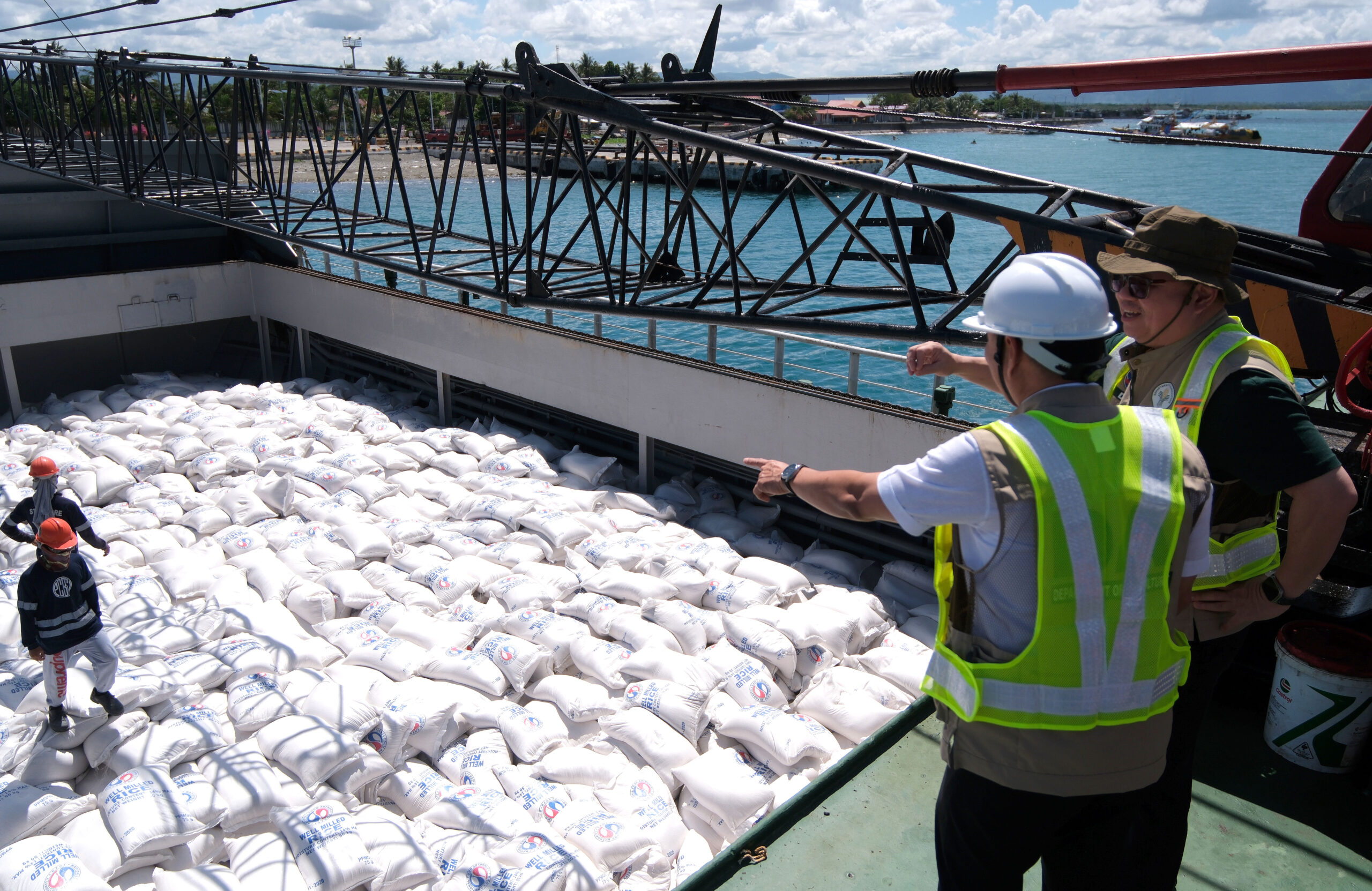
In a strategic move to provide immediate food relief during the holiday season, the Department of Agriculture (DA) has expanded the ₱20-per-kilo rice program in Eastern Samar, reaching over 2,000 families ahead of Christmas.
The program is part of a coordinated effort involving the DA and multiple partner agencies, which includes the local government units (LGUs), the National Food Authority (NFA), and the Department of Social Welfare and Development (DSWD). This inter-agency collaboration ensures efficient rollout and beneficiary coverage, especially as families face increased expenses in the peak holiday period.
"This expansion aligns with President Ferdinand "Bongbong" Marcos Jr.'s vision of Maasahan at Masipag food security governance," said Agriculture Secretary William Dar. "Our goal is straightforward: reliable food access supported by tireless action so that no Filipino goes hungry."
Under the program, qualified households can purchase rice at a subsidized rate of ₱20 per kilo, significantly lower than the prevailing market price. The expanded rollout in Eastern Samar targets vulnerable sectors, including farmers' families, indigent households, and disaster-affected communities.
Local officials praised the program’s timely arrival. Mayor Jeanette Navarro of Eastern Samar remarked, "The holiday season is the hardest for many of our residents. The ₱20-rice program provides essential relief and strengthens our community's resilience."
President Marcos Jr.'s administration continues to emphasize practical interventions that ensure food security through a reliable, grassroots-focused approach. His motto, "Reliable food access. Tireless action. No Filipino goes hungry," has become a guiding message within the government’s food security initiatives.
The expansion of the price-subsidized rice program complements other measures aimed at stabilizing food supply and prices nationwide, reinforcing the administration's role as a dependable guardian of food security during critical times like the Christmas season.
Recommended For You
Southeast Asia Floods and Landslides Claim Over 600 Lives Amid Ongoing Relief Efforts
Jan 24, 2026
Gregoria Sumulong
PNP Reports Peaceful Conclusion to Anti-Corruption Protests in Metro Manila
Jan 24, 2026
Delfin Carreon
PAGASA Warns of Possible Tropical Cyclones Approaching Philippines in December
Jan 24, 2026
Apolinario Tiamzon

World Nineball Tour Legends to Feature Pool Greats Reyes, Bustamante, Strickland, and Souquet in Manila
Jan 24, 2026
Gregoria Sumulong